
10 Yard or 20 Yard Dumpster? How to Pick the Right Size
Not sure if a 10 yard or 20 yard dumpster fits your project? Compare size, weight limits, and cost so you book the right one. Call (877) 779-2783.
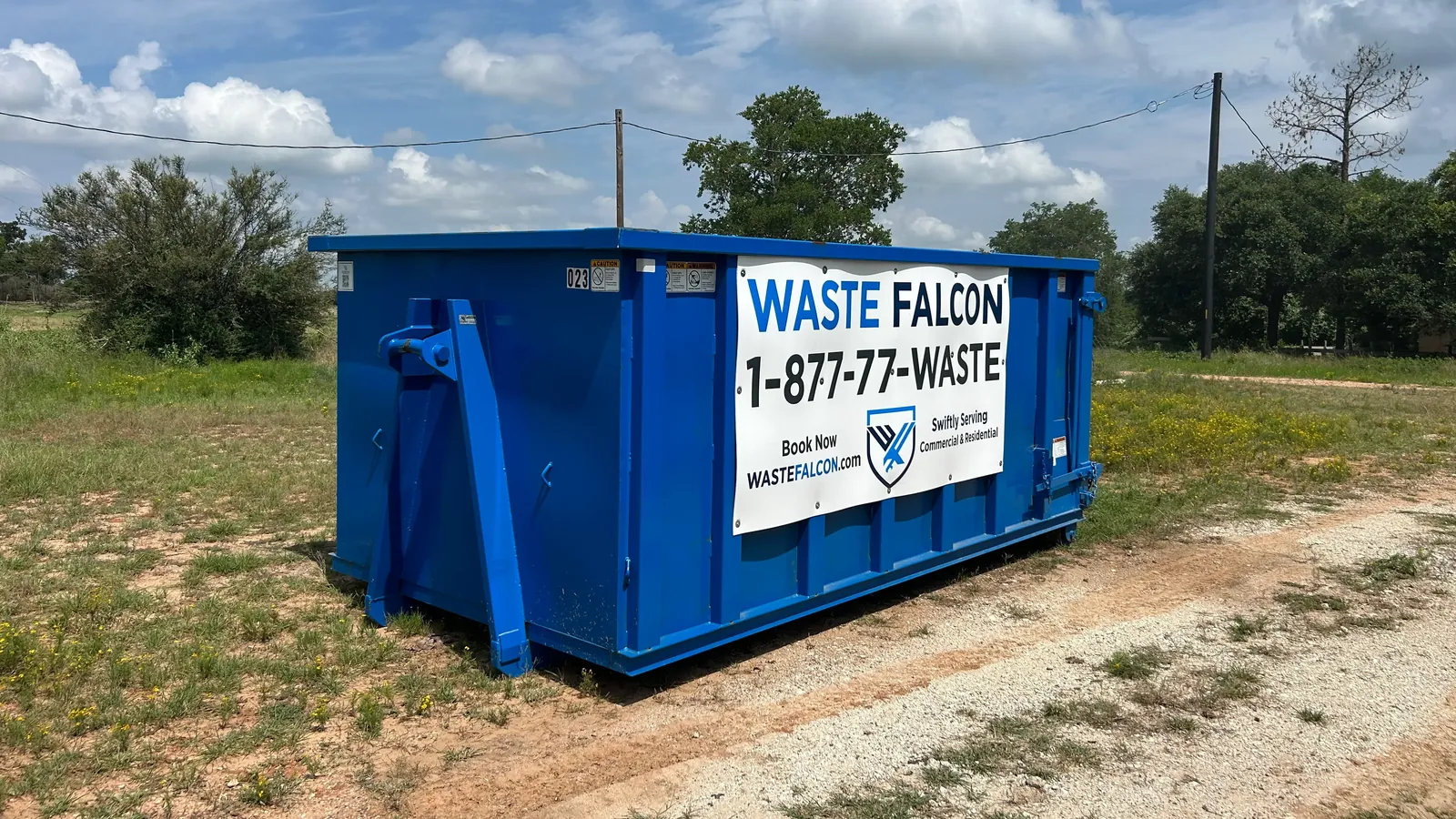
Most people call us already stuck between two sizes. You know a 10 yard might be too small. You suspect a 20 yard might be overkill. Here is the short version. Projects that fit in one room, or produce heavy debris like concrete and dirt, usually call for the 10 yard. Bigger jobs flip that advice. A whole-house cleanout, a roof tear-off, or a multi-room remodel almost always needs the 20 yard.
That rule covers most jobs. It does not cover your job, though, and a wrong guess means paying for a swap or an overage fee. This guide breaks down the real differences in size, weight, footprint, and cost. Book once, and book right.
Want the short answer instead of the long one? Call (877) 779-2783 and describe the job. We size it in about a minute.
10 Yard vs 20 Yard Dumpster: The Numbers Side by Side
| 10 Yard | 20 Yard | |
|---|---|---|
| Dimensions | 12’ L × 8’ W × 3.5’ H | 22’ L × 8’ W × 4.5’ H |
| Holds | ~3 pickup truck loads | ~8 pickup truck loads |
| Weight included | 1–2 tons | 2–3 tons |
| Footprint | About 2 parking spaces | Roughly double the 10 yard |
| Clearance needed | ~22 feet | ~60 feet |
| Best for | Single-room jobs, heavy debris | Whole-house jobs, bulky debris |
The 20 yard holds close to triple the volume of the 10 yard. It only carries about one more ton of included weight, though. That gap matters more than it looks, and we will get to why in a minute.
What the 10 Yard Handles Best
The 10 yard is the smallest roll-off in our fleet. For a lot of projects, that is a feature, not a limit. It threads into tight College Station driveways and clears a job without leaving half the box empty.
Reach for a 10 yard when your project looks like:
- A bathroom or small kitchen remodel
- A single-room or closet cleanout
- A garage or shed declutter
- A small deck tear-off
- Concrete, brick, or dirt removal from a patio or walkway
That last one surprises people. Concrete and dirt are dense enough to hit the weight limit long before they fill the box. Renting a 20 yard for a load of dirt usually just means paying to haul empty space.
What the 20 Yard Handles Best
The 20 yard is our most-booked size, and it earns that spot. It is the standard container for bulky jobs, not small piles of heavy debris.
Reach for a 20 yard when your project looks like:
- A whole-house or estate cleanout
- A single-layer roofing tear-off
- A multi-room remodel or addition
- A large flooring or deck removal
- Storm debris from downed limbs or fencing
If your roof is coming off, read our roofing dumpster size guide before you book. Shingles are heavy enough that the math changes depending on whether you have one layer or two.
Driveway Space: Will Either Size Actually Fit?
Size on paper is one thing. Size in your driveway is another.
The 10 yard needs about 22 feet of straight clearance so the delivery truck can drop it and pick it back up. Keep overhead room clear of low branches and power lines, too. Most College Station driveways handle that without a second thought.
The 20 yard is a different story. At 22 feet long, it needs close to 60 feet of clearance to turn and park. That still fits most driveways, but a short or curved driveway might push the box toward the street. If that happens, check our guide on dumpster permits in College Station and Bryan before delivery day. Street placement usually needs a right-of-way permit.
Weight Limits: The Number That Actually Decides for Heavy Debris
Here is the part most comparisons skip. Volume is not the only thing that fills a dumpster. Weight fills it too, and for dense material, weight wins every time.
The 10 yard includes 1 to 2 tons. The 20 yard includes 2 to 3 tons. That is not a huge jump compared to how much bigger the box gets. There is a reason for it. A loaded truck still has to obey legal road weight limits, so tonnage allowances rise slower than volume does.
That means a load of concrete, tile, or dirt can max out the weight limit while the box still looks half empty. In that case, a bigger container does not buy you more capacity. It just costs more to rent. If your job is mostly light, bulky stuff like furniture or cardboard, the opposite problem shows up. You will run out of room before you ever touch the weight limit. The bigger box is the right move there.
When in doubt, tell us what the debris actually is. We would rather talk you into the cheaper size than let you overpay for space you cannot use.
Cost Difference Between a 10 Yard and a 20 Yard
Both sizes are priced as a flat rate that bundles delivery, pickup, your rental period, and the included tonnage. There is no separate trip charge and no fuel surcharge hiding in the fine print.
The 20 yard costs more than the 10 yard, since it covers more volume and more included weight. The exact gap depends on your project and your rental length, so we will not guess a number here. See our pricing page for how the flat rate works, or call for a firm quote on your job. The only variable either way is overage. Debris past your included tonnage is billed at the landfill’s posted rate. It is itemized and never marked up.
Two Brazos Valley Projects, Two Different Sizes
A College Station homeowner gutting a single bathroom rented a 10 yard. Cabinets, a tub, tile, and drywall from one room filled about two-thirds of the box, well under the weight limit. A 20 yard would have sat mostly empty for the same price bump.
A few streets over, a family clearing out a relative’s entire house after an estate sale needed the 20 yard. Furniture, boxes, old appliances, and years of belongings filled the container close to the top. The weight stayed well under the ton limit. Size, not weight, decided that one.
Same neighborhood, same company, two completely different answers. That is the whole point of sizing by project instead of guessing.
Still Between the Two? Call and We’ll Size It
If you read all of this and still are not sure, that is normal. Plenty of projects sit right on the line between a 10 and a 20. Tell us the room count and the type of debris. Let us know if anything heavy, like concrete or shingles, is involved. We will match you to the right box.
Call (877) 779-2783, or compare every option on our dumpster sizes guide first. We deliver across College Station, Bryan, and the wider Brazos Valley. Job sites running bigger loads can use our construction dumpster rental.