
How to Dispose of Construction Debris in College Station & Bryan
Drywall, lumber, flooring, and roofing pile up fast on a job site. Here's how to dispose of construction debris in the Brazos Valley — and which dumpster you need.
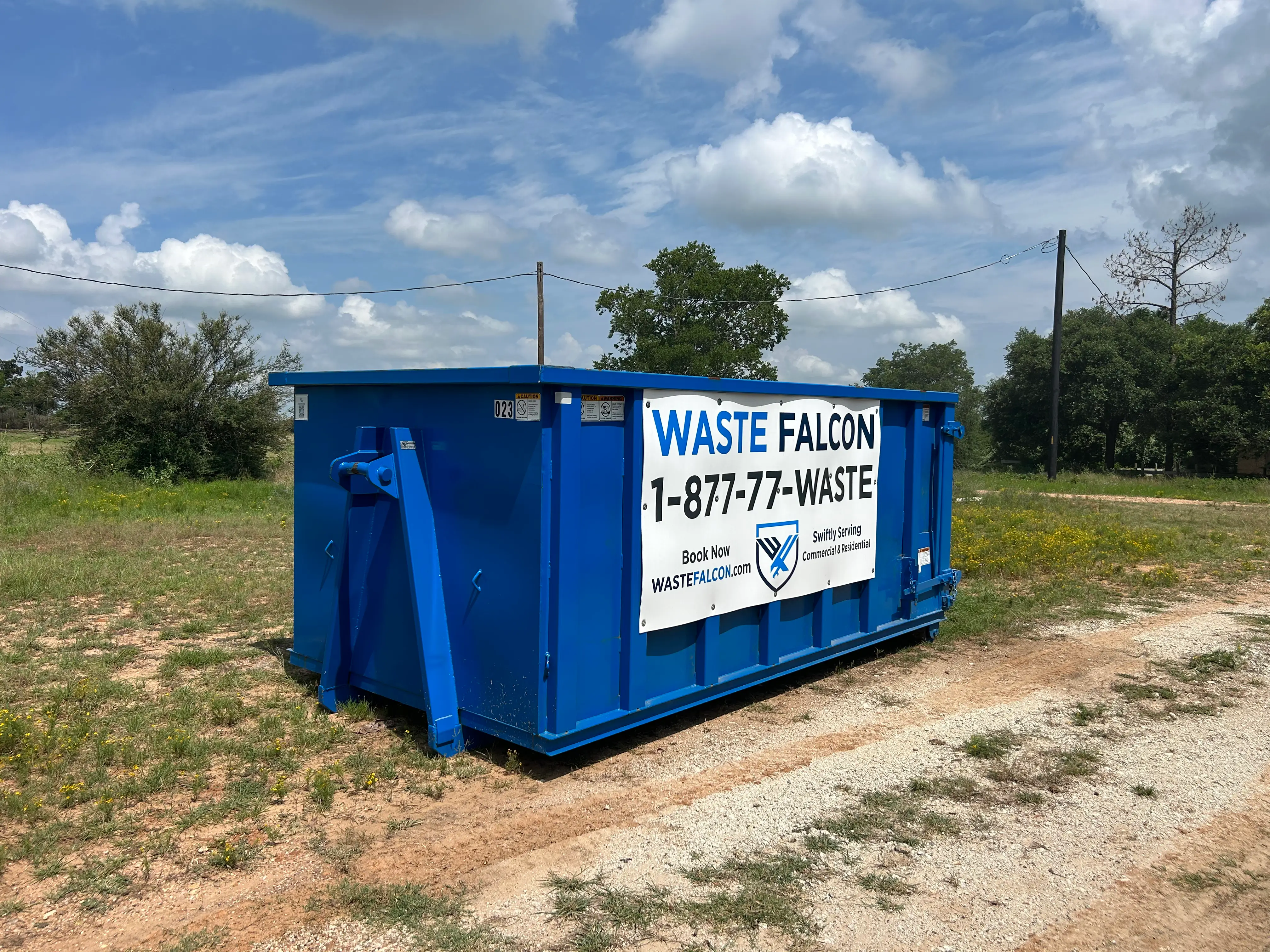
Construction and remodeling generate debris faster than almost any other project. A single kitchen tear-out produces cabinets, countertops, flooring, drywall, and packaging — and that’s before the new materials show up. If you’re a contractor or a homeowner running a renovation in College Station or Bryan, here’s how to handle the waste without letting it stall the job.
Know What You’re Dealing With
Construction debris falls into a few buckets, and they don’t all behave the same way:
- Light, high-volume material — drywall, lumber, cardboard, insulation, trim. Fills space fast, weighs little.
- Heavy, dense material — concrete, brick, tile, mortar. Hits the weight limit long before it fills a container.
- Roofing — shingles are deceptively heavy; a single layer off an average roof adds up quickly.
- Mixed C&D — the typical renovation mix of everything above.
Matching the container to the debris type is the difference between one efficient haul and paying to move air or getting hit with overage weight.
Why a Roll-Off Dumpster Is the Standard
For any real construction or renovation job, a roll-off dumpster on site is the move. Your crew loads as they work, the debris stays contained and off the ground, and the job site stays safe and inspector-ready. When it’s full, we swap it — often the same day you call.
- Light, high-volume jobs (framing, drywall, general C&D) → a 30 yard dumpster for maximum volume.
- Mid-size remodels and most renovations → a 20 yard dumpster, the job-site workhorse.
- Heavy material like concrete or tile → a 10 yard dumpster, because dense debris reaches the weight limit fast.
See construction dumpster rental in College Station or Bryan for local delivery.
What You Can and Can’t Throw Away
Most construction debris is fine: lumber, drywall, flooring, roofing, fixtures, cabinetry, tile, concrete, and packaging. Keep out the prohibited items — hazardous materials, wet paint, solvents, asbestos, batteries, and tires. Appliances with Freon carry a small per-unit fee. When in doubt, ask before you load.
Keep Your Job Site Compliant
For contractors, debris management isn’t just convenience — it’s about passing inspection and protecting your crew. A designated container keeps nails, glass, and sharp debris off the walking surface and gives you a clean handoff at the end of the job. For ongoing or multi-phase work, ask about recurring placement and bulk pricing so you’re not rebooking every week.
What It Costs
Construction dumpster rental is a flat rate covering delivery, pickup, your rental period, and the included tonnage. Because weight is the main variable on construction jobs — especially roofing and concrete — the flat-rate model keeps you from getting surprised at the scale. Call (877) 779-2783 with your project scope and we’ll size it right the first time.
The Bottom Line
Sort your debris by weight, not just volume. Put a roll-off on site, match the size to the material, and keep the job moving. For heavy loads, smaller is smarter; for framing and drywall, go big.